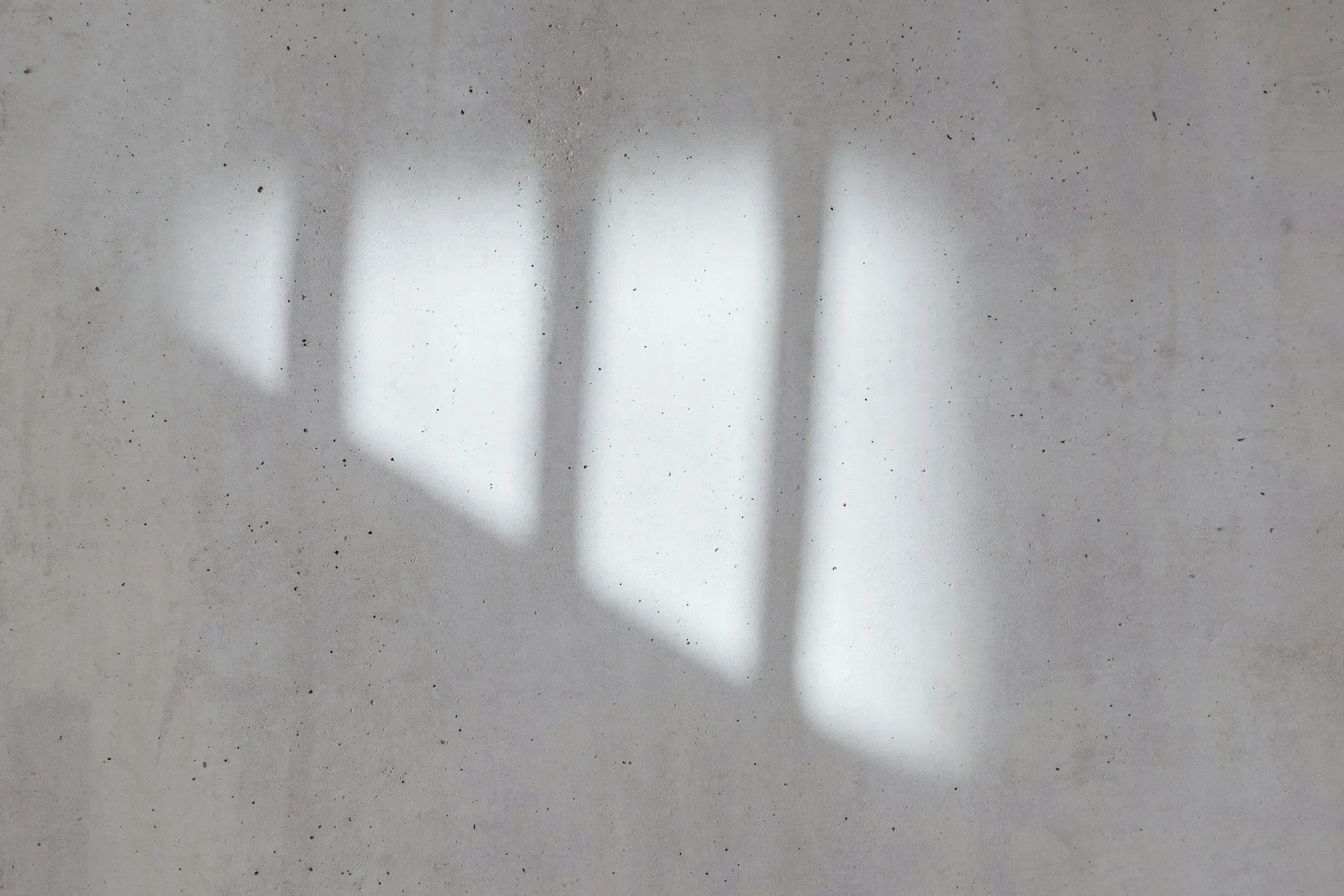
Walk into any room, and one of the first things you’ll probably notice is the wall finish. Even though it may not get the same attention as furniture or lighting, the type of finish on your walls plays a big role in how a space looks and feels. Smooth and textured wall finishes each bring something different to the table and shape everything from the mood of the room to how easy it is to keep clean.
Now think about the walls you see most in your daily lifeâmaybe it’s your office lobby, your homeâs living room, or the hallway of a local retail space. Do you like that sleek, modern look? Or do you lean toward something more dynamic with depth and pattern? Choosing between smooth and textured finishes isnât just a style decision. It can affect practicality, maintenance, and even how the space performs over time. With so many buildings in the Northern San Francisco Bay Area blending modern design and classic character, knowing the difference matters.
Types of Wall Finishes
Smooth wall finishes are clean, simple, and give a space a modern edge. Theyâre flat to the touch and look best when light reflects evenly across the surface. This type of finish works really well in places that need a clean, polished look, like commercial offices, medical clinics, upscale lobbies, or kitchens. Smooth finishes often help a room feel larger and more open, which comes in handy in tighter quarters.
Textured finishes, on the other hand, add depth and character. They can hide small surface flaws and bring a cozy or rustic feel to residential spaces. Some popular texture types include knockdown, skip trowel, and sand finish. Each one gives a different look and feel, but they all help catch the eye more than a smooth wall would. Youâll often see textured walls in living rooms, hallway nooks, or even restaurant interiors where designers want something more creative.
Hereâs a quick breakdown of common settings where each type works well:
- Smooth Finish:
- Commercial buildings like offices and dealerships
- Hospitals or sterile environments
- High-end residential kitchens
- Rooms with bold art or design features needing a neutral backdrop
- Textured Finish:
- Bedrooms and casual living areas
- Cottage-style or Mediterranean homes
- Restaurants or lounges looking for warmth
- Older buildings where small wall flaws should be hidden
The type of finish you choose should fit your space and what you want it to feel like. Some places work better with a smooth wall that blends into the background. Others get a boost from a textured finish that helps the room feel more personal.
Practical Considerations
Both types of finishes are useful, but they react differently depending on how theyâre used and what kind of wear they see.
Smooth finishes are easier to paint over, which makes changes or touch-ups go more smoothly. Because the surface is flat, it can also show dust, smudges, or wear more clearly. Luckily, itâs also easier to wipe clean. Textured finishes are better at hiding small damage or spots but are tougher to keep clean. Dust and dirt can build up in the grooves, and cleaning those out takes more time.
Durability makes a big difference in high-traffic areas like hallways or busy commercial spaces. Smooth finishes can pick up dents or marks if bumped. Textured finishes, because theyâre a little thicker and more layered, can handle more wear and still look good. They also do a better job of hiding scratches or uneven spots in the walls.
Cost is another thing to think about. A smooth finish might take longer to apply because the wall needs to be perfectly prepped first. It takes real skill to make a smooth wall look flawless, especially over large areas. That might mean more coats and more labor time. On the flip side, a textured finish can sometimes go up faster and is more forgiving, which may save time. The price can vary based on the size of the project and how detailed the work needs to be.
Here are a few general pros and cons when comparing both types:
- Smooth Finish:
- Easier to repaint or update
- Shows smudges and dents more easily
- Easier to clean with simple wiping
- Textured Finish:
- Hides flaws in the wall surface
- Tougher to clean due to grooves
- Adds visual appeal but can limit decor options
A finish doesnât just affect how the walls lookâit changes how they behave in your daily life. Think about the long-term upkeep just as much as the design.
Suitability for Specific Spaces
Itâs easier to choose a wall finish if you start with where itâs going to be used. A busy office is going to need something different from a calm bedroom at home. The location helps guide what type of finish makes sense.
Commercial buildings in the Northern San Francisco Bay Area often lean toward smooth finishes. Thatâs because offices, clinics, and retail stores need to look professional and bright. Smooth walls bounce light around, which helps make the space feel open and clean. They also create a great backdrop to showcase branding, furniture, or other design features without drawing too much attention on their own.
On the other hand, a textured finish adds charm in residential areas. It gives rooms like family spaces, bedrooms, or dining areas a calm, cozy feel. Plus, if the house is older or has some wall issues, texture can help cover them up. For homes with a specific architectural style, like Spanish or Mediterranean, texture can help bring the whole look together.
Still, there can be overlap. Picture a hotel in Santa Rosa with both modern and comfort-focused areas. The main check-in space might use smooth walls to keep things professional, while the lounge area uses a textured finish to make guests feel at home. Itâs all about the mood youâre trying to create and how people use the space.
Choosing the Right Finish for Your Needs
Now itâs time to make a decision. That starts with thinking about what the room will be used for and how it needs to perform. Ask yourself a few questions or talk them through with your contractor:
- Is the space for work or home?
- Are the walls likely to get bumped or touched often?
- Do you need something that hides flaws or damage?
- Is easy cleaning important?
- Should the walls stand out or stay quiet in the design?
Professional input helps answer these questions in ways you might not think of on your own. A skilled plastering team knows what each finish offers and how long it will last in different situations. Ask for past project photos or sample panels to see what each type looks like in real life.
Hereâs a simple side-by-side to help with your decision:
- Smooth Finish:
- Best for modern and professional spaces
- Stands out in commercial environments
- Great for repainting and updating designs
- Less helpful for hiding dents or damage
- Textured Finish:
- Adds visual character and comfort
- Ideal for homes or relaxed interiors
- Helps mask wall flaws
- More difficult to clean and match if repaired
When the roomâs purpose and your style goals are clear, the decision often presents itself. Picking the right wall finish makes every other design choice work better.
Enhance Your Space with Quality Finishes
Your walls do more than hold everything up. They set the tone for how the whole space feelsâfrom the welcome inside a local business to the way your dining room glows at night. Whether you’re searching for something sleek or something more layered and cozy, smooth and textured finishes both serve a role.
Projects of all sizes benefit from the right skills and knowledge. Smooth finishes need attention to detail and a lot of prep. Textured walls might be faster to apply but are still best handled by professionals who know what they’re doing. Even something as small as how light moves along the wall can change the whole feel of a room.
And with weather always shifting across the Bay Area, don’t forget about keeping everything dry. Asking about waterproofing adds an extra layer of care that can make your walls last longer and look stronger. A smart finish plan now means less patchwork later and a better feel every day.
If you’re looking to update the look and feel of your space, paying attention to finishes like interior wall plaster finishes can add both style and long-term function. Choosing experienced professionals ensures the final result fits your needs and lasts through the years. One Stop Plastering also now offers residential waterproofing services, giving contractors a single point of contact for every exterior waterproofing need. Reach out to learn how we can help bring lasting value to your next project.