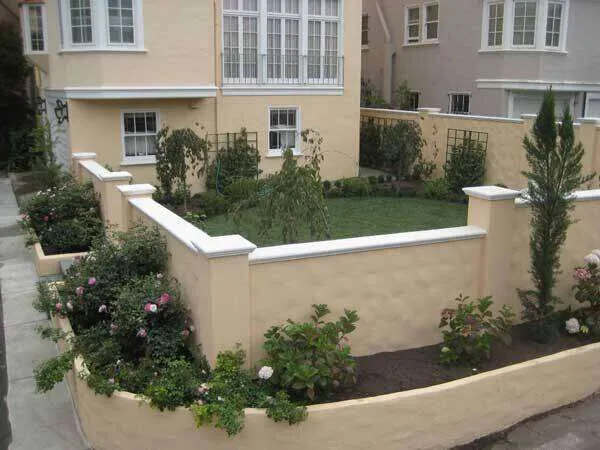
August in the Northern San Francisco Bay Area is when hairline cracks and chalky patches on a wall finally get a second look. The walls have been dry for months, the surface is easy to inspect, and the wet season is still a few months out. That raises a fair question: do concrete and plaster walls actually need sealing before fall, or is that just something people say?
The honest answer is nuanced. Sealing the right surface at the right time can protect the wall through the rainy months. Sealing the wrong surface — or sealing before diagnosing where moisture is coming from — can trap water inside the wall and make the damage worse. The National Park Service documents exactly that failure: a waterproof coating that trapped moisture from a leaking roof and contributed to portions of a masonry parapet failing.
The sections below separate moisture diagnosis, wall-system differences, and cure times so you can decide whether sealing is appropriate before work begins.
Why Does Dry-Weather Timing Matter?
Because moisture is the enemy, plain and simple. Uncontrolled moisture is the most prevalent cause of deterioration in older buildings — it leads to erosion, corrosion, rot, and eventually damage to finishes and structural components. Once winter rain starts hitting a cracked or porous exterior, water finds its way in and keeps working.
Concrete is porous by nature. Building-science research shows that when the ground beside a foundation becomes saturated — from irrigation, poor drainage, or rain — water wicks up into the concrete by capillary suction. That’s why a foundation wall can be damp well above the soil line even when nothing is obviously leaking.
There’s also a practical materials reason to work in the dry months. Sealants and cement-based waterproofing products dry and cure more slowly in cool, damp conditions. One exterior joint sealant, for example, skins within 60 minutes and dries within 12 hours at 70°F and 50% humidity — but the manufacturer notes that cool or low-humidity conditions delay curing, and the product must be protected from driving rain until completely dry. Late summer gives that chemistry the conditions it wants. That’s a material cure window, not a promise about how long a whole project takes — scope and site conditions still drive the schedule.
Do All Concrete and Plaster Walls Need Sealing?
No — and this is where a lot of wasted money happens. Whether sealing helps depends on which system you have and where it sits:
- Exterior cement plaster and concrete: these face rain directly, so weatherproofing joints, penetrations, and cracked areas before the wet season is well supported. A tight building envelope is what keeps outside air and moisture from infiltrating.
- Interior gypsum plaster: gypsum plasters should not be used where they contact water or excessive moisture in the first place. Interior walls generally need proper priming and painting, not waterproof sealing.
- Walls with an active moisture problem: sealing these is the mistake. If water is entering from a broken pipe, clogged gutter, or failed flashing, a coating just locks the water in.
Also remember that an exterior plaster finish isn’t a watertight skin on its own. Water management depends on the drainage plane and flashing behind the finish. If those layers are compromised, no surface sealer fixes the problem — the assembly itself needs repair.
How Do I Know If My Walls Have a Moisture Problem First?
Diagnosis comes before sealing, every time. Obvious deficiencies — broken pipes, clogged gutters, cracked walls that let water in — should be corrected promptly. More complicated moisture problems can take months, or up to four seasons of monitoring, to fully diagnose. Signs worth checking in August, while everything is dry:
- Efflorescence — the white, powdery deposit left when water-soluble salts leach out of masonry or mortar and dry on the surface. It means water has been moving through the wall.
- Soft, dark, or damp patches on interior plaster during damp weather. This can be “sweat-out,” where poor ventilation left water in the wall too long after the plaster set. If it persists, the affected plaster may need removal and replastering.
- Hairline cracks that have widened since last year, especially around windows, doors, and corners where mesh may have been skipped.
If you find any of these, the source needs to be identified and fixed before any coating goes on. Waterproofing and leak detection is its own discipline, and it’s the step that makes sealing safe instead of risky.
How Long Do Walls Need to Cure or Dry Before Sealing or Painting?
This depends entirely on the system, and mixing up the numbers causes real failures. Keep them separate:
- New interior concrete: cure 60 days or more before applying chemically setting-type joint compounds, and never apply them over moist surfaces or surfaces likely to become moist. Over interior monolithic concrete, a plaster bonder must be applied before plastering.
- Interior veneer plaster (USG Imperial or Diamond finishes): because so little water is used, drying can take as little as 24 hours under normal drying conditions, and the finish may be painted the following day — but only if the plaster has dried completely. A simple field test: tape a film to the wall, and if water droplets appear on its underside after 24 hours, the plaster is still too wet.
- Lime-containing conventional finish plasters: these should age 30 days before any surface treatment.
- Exterior cement-based waterproofing (Sto ExtraSeal, as one labeled example): full cure is at 28 days, and the product must be protected from rain and freezing until completely dry. Coats need a minimum of 24 hours between them — longer in cool or damp weather.
Can I Just Seal or Paint the Walls Myself?
Some of it, maybe — but two mistakes are common enough to flag. First, primer choice: PVA-based primers should not be used over plaster of any kind. PVA swells when wetted and can leave a powdery film that ruins adhesion. Lime-containing plasters need a penetrating primer/sealer confirmed to be alkali-resistant. Second, timing over fresh exterior stucco: manufacturers call for checking that the surface pH is below 10 before installing a finish, or waiting the full 28-day cure — details a weekend project can easily skip.
Where a pro earns the call is on the diagnosis side: tracing where water actually enters, deciding whether the drainage plane and flashing behind the finish are doing their job, and matching the sealer or coating to the specific system — interior gypsum, exterior cement plaster, or bare concrete. Getting that match wrong is how walls end up trapping moisture instead of shedding it.
Protect Your Walls Before the Wet Season Tests Them
So, do concrete and plaster walls need sealing before fall? Exterior surfaces with cracks, open joints, or worn weatherproofing — very likely yes, once the moisture source is understood and the substrate is fully cured and dry. Interior plaster — usually not sealing in the waterproofing sense, but correct priming after proper aging. Walls with an unexplained moisture problem — not until it’s diagnosed. Handle it in that order and the late-summer dry spell works in your favor: warm conditions for curing, dry substrates for adhesion, and time to fix what the inspection turns up.
If you’d rather have an experienced eye look at your walls before the rain arrives, One Stop Plastering handles concrete and plaster walls, waterproofing, and leak detection for homes and commercial buildings throughout the Northern San Francisco Bay Area — reach out for an estimate and we’ll help you sort out what actually needs sealing before fall.